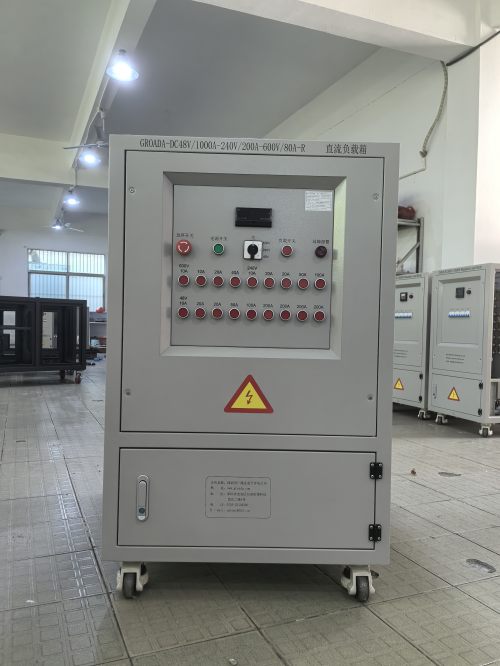
Portable load banks are essential tools for validating the reliability, performance, and safety of generators in both field and factory environments. Unlike fixed installation systems, portable load banks offer flexibility in testing diesel, natural gas, or dual-fuel generators used in critical infrastructure such as hospitals, data centers, and remote power plants. These units simulate real-world electrical loads by drawing power from the generator and converting it into heat through resistive elements—ensuring that the engine, alternator, and control systems operate within design parameters under varying conditions.
A typical portable load bank consists of a robust steel chassis, cooling fans, and an integrated control panel with digital displays for monitoring voltage, current, frequency, and temperature. According to IEC 60034-1 (2018), generator testing must verify operational stability under full load for a minimum of 30 minutes to ensure compliance with motor performance standards. Portable load banks meet this requirement while also allowing for partial-load tests, ramp-up sequences, and emergency stop functionality via E-STOP buttons, which is crucial for safe operation during on-site testing.
For example, in a simulated case study involving a 500 kW diesel generator at a hospital backup system, a portable resistive load bank was used to perform a 60-minute full-load test. Results showed stable voltage regulation (±2%), consistent frequency (50/60 Hz ±0.5 Hz), and no overheating of the alternator windings—a direct confirmation of generator readiness. This aligns with IEEE Standard 1159 (2022), which emphasizes the importance of periodic load testing to prevent "generator starvation" where infrequent use leads to internal corrosion or bearing failure.
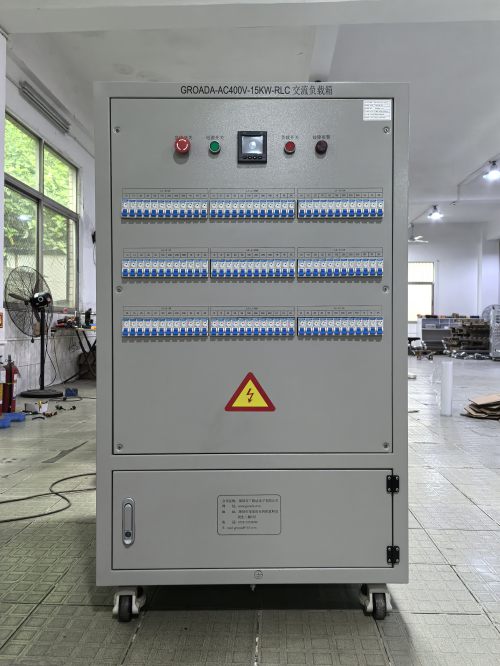
Modern portable load banks often feature active cooling systems, IP54-rated enclosures for dust and splash resistance, and lifting points for easy transport using forklifts or cranes. Maintenance includes annual calibration against traceable standards and replacement of resistors every 5–7 years depending on usage intensity. Key safety features include short-circuit protection, over-temperature cutoffs, and grounding compliance with UL 1004 and CE marking.
By enabling reliable validation without requiring permanent installations, portable load banks reduce downtime risks and improve long-term generator lifespan. Their modular design makes them ideal for mobile service teams, emergency response units, and renewable energy integration projects like microgrids or wind farm synchronization tests.