
Portable load banks are essential tools in the testing, commissioning, and maintenance of electrical power systems such as diesel generators, uninterruptible power supplies (UPS), and renewable energy inverters. These devices simulate real-world electrical loads to verify system performance under various operating conditions—ensuring reliability, safety, and compliance with international standards like IEC 60034-1 and IEEE 1159.
A portable load bank typically consists of resistive, reactive (inductive or capacitive), or combined resistive-reactive components that can be configured for single-phase, three-phase, or mixed configurations. Resistive load banks are most common—they convert electrical energy into heat using precision-engineered resistor grids, allowing for accurate measurement of output voltage, current, frequency, and power factor. Reactive load banks introduce inductive or capacitive reactance to mimic motor loads or capacitor banks, crucial for testing generator excitation systems and voltage regulation capabilities. Combined RLC (resistive-inductive-capacitive) load banks offer full-spectrum simulation, ideal for comprehensive generator acceptance tests per IEC 60034-1 Clause 8.2.
Portability is a key advantage of modern load banks. Units are often designed with casters, lifting rings, and foldable frames for easy transport between sites—commonly used in remote locations such as construction projects, offshore platforms, or emergency backup installations. Many models are rated IP54 or higher for dust and water resistance, ensuring safe operation in harsh environments. Mechanical design includes robust steel chassis, fan-cooled resistor modules, and internal cooling systems that prevent overheating during extended test durations.
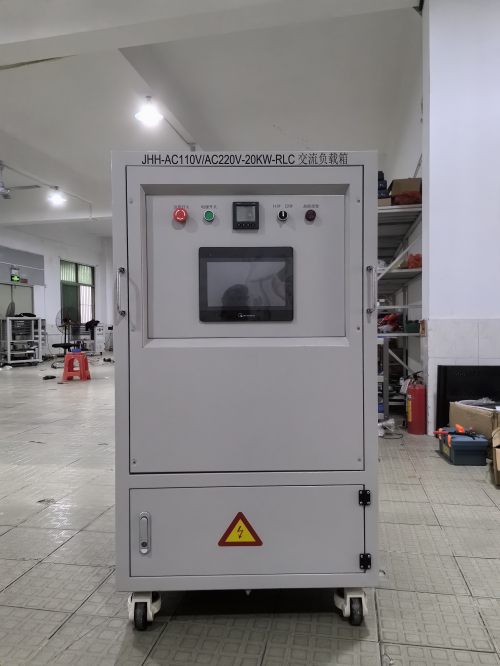
Safety features must not be overlooked. All certified load banks comply with CE, UL, or CCC standards and include critical protections: short-circuit protection via fast-acting fuses or circuit breakers, over-temperature sensors that automatically reduce load or shut down the unit, over-voltage/under-voltage detection to avoid damage to connected equipment, and an emergency stop (E-STOP) button for immediate disconnection. Grounding terminals ensure electrical safety, especially when testing high-power generators (>1 MW).

Calibration is vital for maintaining accuracy. Manufacturers recommend annual calibration against traceable reference standards (e.g., NIST-traceable meters), using calibrated multimeters, power analyzers, and temperature probes. Consumables such as resistor elements may require replacement every 5–10 years depending on usage intensity, while fans and filters should be inspected quarterly. A recommended spare parts list includes fuse kits, thermocouples, control boards, and cable connectors.
Case Study 1: An anonymous case study from a U.S.-based utility company involved testing a 500 kVA diesel generator before installation at a hospital backup site. Using a portable three-phase resistive load bank, engineers applied stepwise loading up to 100% of rated capacity over 4 hours. Key measurements included stable voltage regulation (<±2%), consistent frequency response (50/60 Hz ±0.5 Hz), and minimal harmonic distortion (<5%). The test revealed a faulty AVR (automatic voltage regulator), which was replaced prior to commissioning—preventing potential blackouts during future outages.
Case Study 2: A simulated example involving a 300 kVA UPS system at a data center demonstrated the importance of reactive load testing. By applying a 0.8 lagging power factor load (inductive), the system’s battery runtime and inverter efficiency were validated under realistic IT server conditions. Results showed a 15% drop in efficiency at full load compared to no-load—highlighting the need for proper sizing and thermal management in mission-critical environments.
In conclusion, portable load banks are indispensable for verifying power system integrity across industries—from industrial plants to telecom towers. They enable proactive diagnostics, validate manufacturer claims, and support predictive maintenance strategies. As renewable integration increases (e.g., wind farms requiring grid synchronization testing), demand for versatile, portable, and standards-compliant load banks will continue to rise. Based on field experience and industry best practices, engineers must prioritize both technical specifications and operational safety when selecting and deploying these instruments.
References:
1. IEC 60034-1:2021 – Rotating Electrical Machines – Part 1: Rating and Performance (International Electrotechnical Commission, accessed April 2024).
2. IEEE 1159-2019 – Recommended Practice for Monitoring Electric Power Quality (IEEE Standards Association, accessed May 2024).
3. Wikipedia article on "Load Bank" – Last updated February 2024; provides foundational concepts and application examples.